
How Lebanese Home Cooking Can Fit a Balanced Diet
By the Mahabati team2 min read
Lebanese dishes offer vegetables, legumes, grains and other ingredients for varied meals. Recipes and portions still matter.
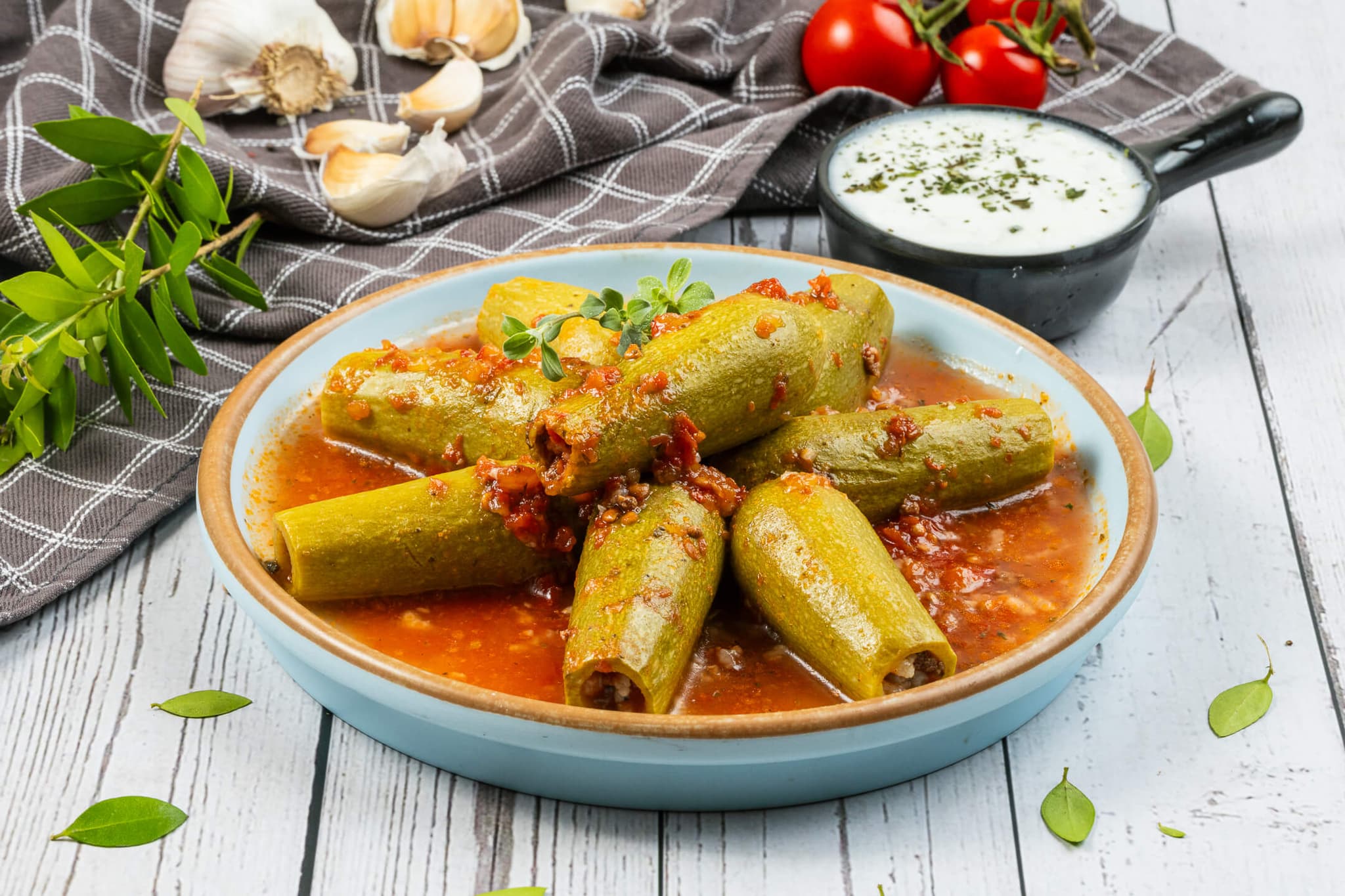
Lebanese home cooking offers plenty of ways to build varied meals: lentil dishes, salads, vegetables, grains, fish, meat and dairy. No cuisine or dish is automatically healthy for everyone. Ingredients, preparation and portions all matter.
Start with variety
The World Health Organization’s healthy-diet guidance recommends a varied diet with vegetables, fruit, pulses and whole grains, while limiting salt, free sugars and unhealthy fats. Many familiar Lebanese ingredients can fit that pattern.
Give vegetables and legumes a place
Think of lentils in mujadara, chickpeas in hummus, or vegetables in salads and stews. A week with several kinds of dishes gives you more variety than repeating one favourite. The amount of oil, salt and other ingredients still depends on the recipe.
Look at the whole meal
A dish name is only a starting point. Consider what comes with it, how much you receive and what else you eat through the day. A salad, a stew and a grilled dish can have very different ingredients and portions from one kitchen to another.
Ask when you need specific information
If you have an allergy, a medical dietary requirement or a nutrition target, ask for the details you need before choosing a service. Homemade does not mean allergen-free, low-salt or suitable for a prescribed diet.
Make home cooking fit your schedule
You can cook ahead, share the preparation with family or order meals on your busiest days. Mahabati offers home-cooked meal plans with dishes prepared by Chef Mahaba. Browse the weekly menu to decide whether the available meals suit you. Want to know the dishes themselves? Read our guide to tabekh lebnene.

Liked this? Get the next one by email
New Journal stories, this week’s menu and Store news. At most once a week. Unsubscribe any time.
Keep reading
Stock your freezer
Order frozen Lebanese dishes to cook or reheat at home. Each item includes preparation instructions.
Homemade Lebanese dishes to keep in the freezerChoose your meals for the week
Compare plans and see what Chef Mahaba is cooking this week.